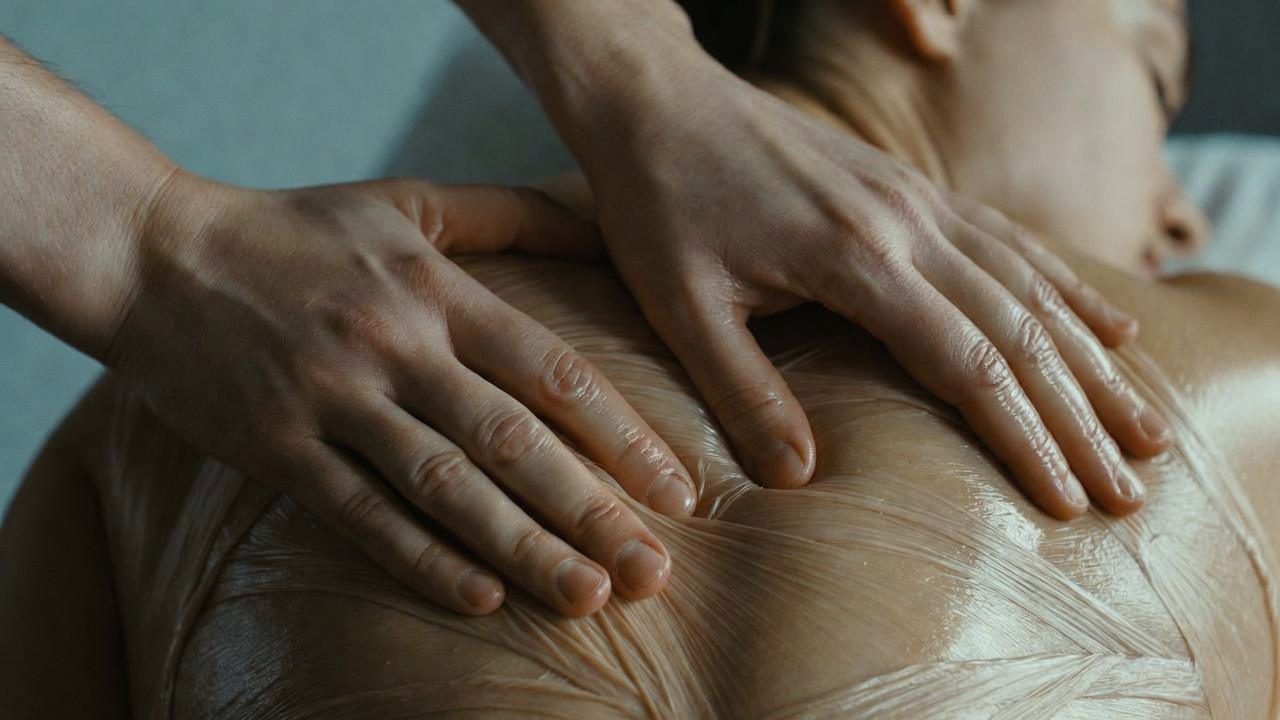
Myofascial Release Bristol / Anatomy Trains
Fascia library
Anatomy Trains
Anatomy Trains is a map of the body's long lines of Fascia, first published by Thomas Myers in 2001. It shows how muscles connect through Fascia into continuous chains from head to foot.
Overview
What are Anatomy Trains?
Anatomy Trains describes twelve myofascial meridians, continuous lines of muscle and Fascia that run through the body like railway tracks. Each line is made of individual muscles, called stations in the model, joined end to end by Fascia. Force and tension travel along each line from one muscle to the next.
Thomas Myers developed the map from dissection and clinical work, and his book Anatomy Trains is now in its fourth edition. It is widely used by manual therapists, movement teachers and researchers studying how the body transmits force.
The lines
The main Anatomy Trains lines
The lines below each have their own page in this library.
Superficial Back Line
Soles of the feet to the brow, along the back of the body.
Superficial Front Line
Tops of the toes to the side of the skull, along the front.
Lateral Line
Outside of the foot to the ear, down each side.
Spiral Line
A double helix wrapping the trunk and legs.
Deep Front Line
The core line through the inner leg, pelvis, Diaphragm and neck.
Arm Lines
Four lines from the fingers to the trunk.
Functional Lines
Diagonals across the trunk linking arm and opposite leg.
Evidence
What research says about Anatomy Trains
A 2016 systematic review of dissection studies found strong evidence that the Superficial Back Line, the Back Functional Line and the Front Functional Line are continuous chains of Fascia, along with good evidence for several more connections. Force has been shown to travel along these links, which is why treating along a line changes how the whole body moves.
- Wilke and colleagues, Archives of Physical Medicine and Rehabilitation, 2016. A systematic review of dissection studies, which found strong evidence for the Superficial Back Line, Back Functional Line and Front Functional Line
In practice
How Anatomy Trains is used in a myofascial release session
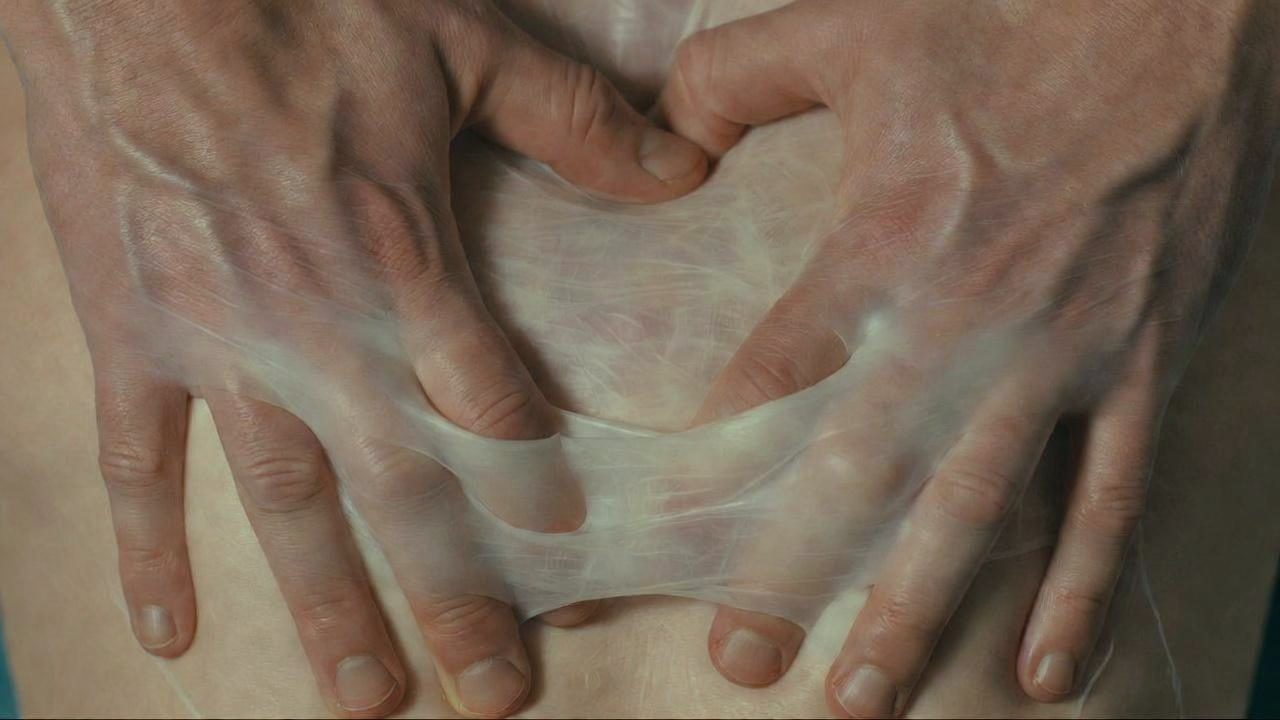
A session starts with standing posture, bending, rotation and balance. Each pattern points to particular lines. Treatment then works along those lines with slow pressure, finishing with the same tests so you can feel what has changed.
Questions
Anatomy Trains: questions answered
Who created Anatomy Trains?
Thomas Myers, an American manual therapist and educator, first published Anatomy Trains in 2001.
How many Anatomy Trains lines are there?
The model describes twelve myofascial meridians, grouped here into seven pages including the four Arm Lines and three Functional Lines.
Is James trained in Anatomy Trains?
James has used the Anatomy Trains model throughout his Fascia work and in assessment of every client.
Do I need to know the lines to book?
No. James explains which lines are involved during your session.
Book a two hour session at Cavendish House, Clifton.Leave your name and number and James will WhatsApp you to discuss.
WhatsApp JamesRead next